


The Mangrove
Mangue is a way of thinking about the city through relationships between
life, land, and culture.
Mangue as a way of thinking
Here, mangue is not simply an image, a metaphor, or a cultural reference.
It is a way of thinking.
The mangrove is a transitional ecosystem, where land and water coexist. Its intertwined roots create support and shelter for life under unstable, saline, and constantly changing conditions. Nothing in the mangrove exists in isolation: survival depends on relationships between species, flows, temporalities, and fragile balances.
Mangue as a living and cultural landscape
In northeastern Brazil, the mangrove is also a territory of everyday life, work, culture, and resistance. It is a space of movement, livelihood, play, music, and knowledge transmitted through experience, the body, and collective presence. The mangrove teaches that living means coexisting, negotiating, adapting, and sharing space.

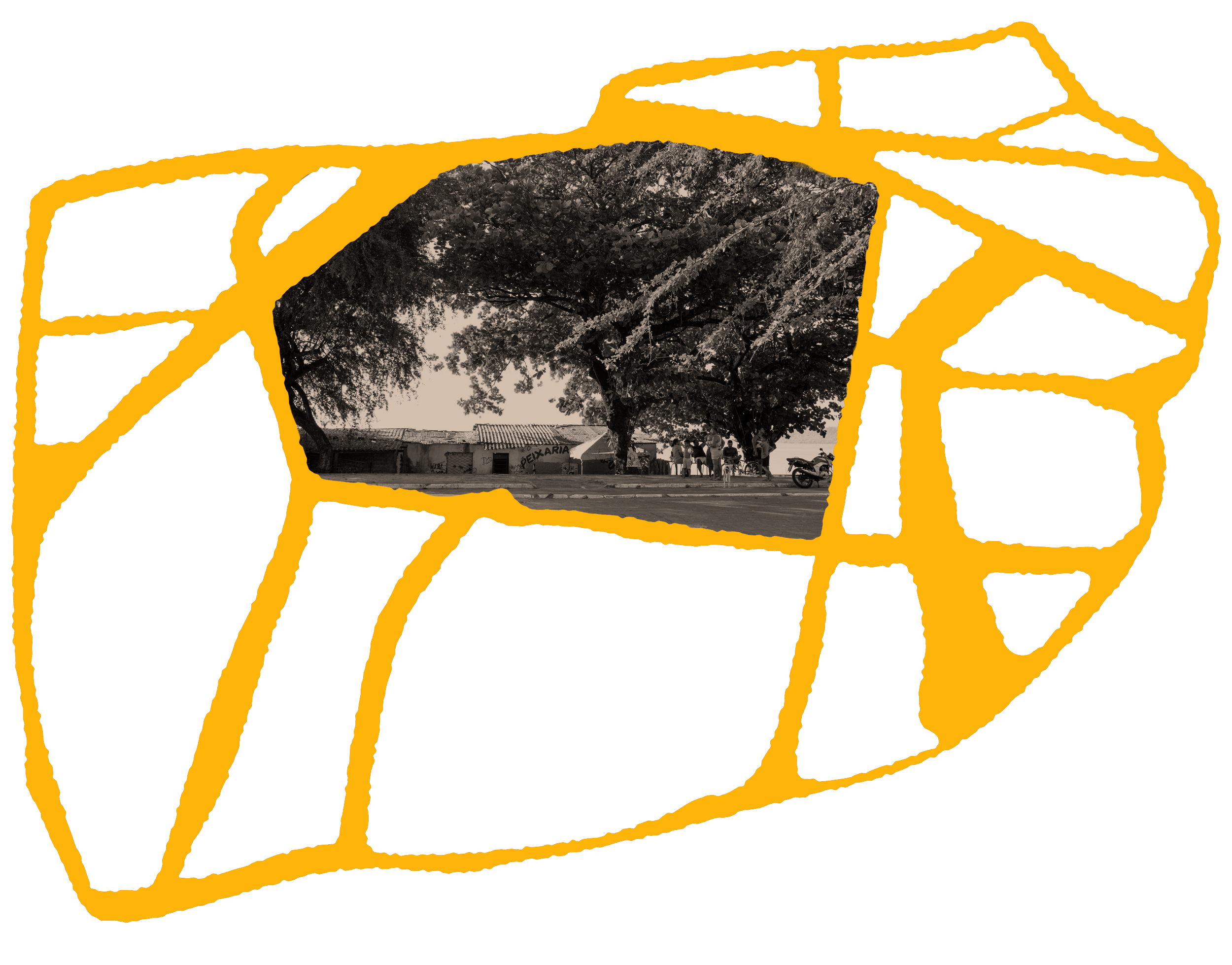

Mangue as an urban lens
Thinking about the city through the mangue means paying attention to spaces of transition — between public and private, infrastructure and everyday life, formality and informality. It means understanding the city as a living ecosystem, where relationships matter as much as built form. This lens values life-rooted urban environments, where care, encounter, listening, and adaptability are central to how cities are designed, inhabited, and transformed.
Why mangue matters now
In urban contexts shaped by standardization, speed, and the erosion of social bonds, the mangue offers another logic: one based on interdependence, coexistence, and attentiveness to life’s rhythms.
A logic that does not separate nature, culture, and city, but understands urban space as relational. At studio mangue, mangue is an invitation to observe, experiment, and imagine the urban through these relationships — not as a fixed answer, but as a collective field of inquiry.